
Introducing Textures: Move Beyond Purées in 2026

Introducing Textures: How to Safely Move Beyond Purées in 2026
For many parents, purées are the comforting first step into solids. Smooth, predictable and easy to swallow, they help babies explore new flavours with confidence. But as your baby grows, texture becomes just as important as taste
In 2026, pediatric guidance and feeding science continue to emphasise one key truth: introducing texture early and safely supports chewing skills, oral development, and long-term healthy eating habits. Here’s how to move beyond purées with confidence—one texture at a time
Why Texture Matters More Than Ever
Texture exposure helps babies:
-
Develop jaw strength and tongue control
-
Learn how to manage food safely in the mouth
-
Reduce picky eating later in toddlerhood
-
Transition more easily to family meals
Delaying textured foods for too long can make the transition harder. The goal isn’t rushing it’s gradual progression with the right tools and techniques
When Is Your Baby Ready?
Most babies are ready to explore thicker textures around 6–8 months, but readiness matters more than age. Look for these signs:
-
Sitting upright with minimal support
-
Good head and neck control
-
Diminished tongue-thrust reflex
-
Curiosity about food and mealtimes
If your baby is confidently swallowing purées, it’s time to gently level up
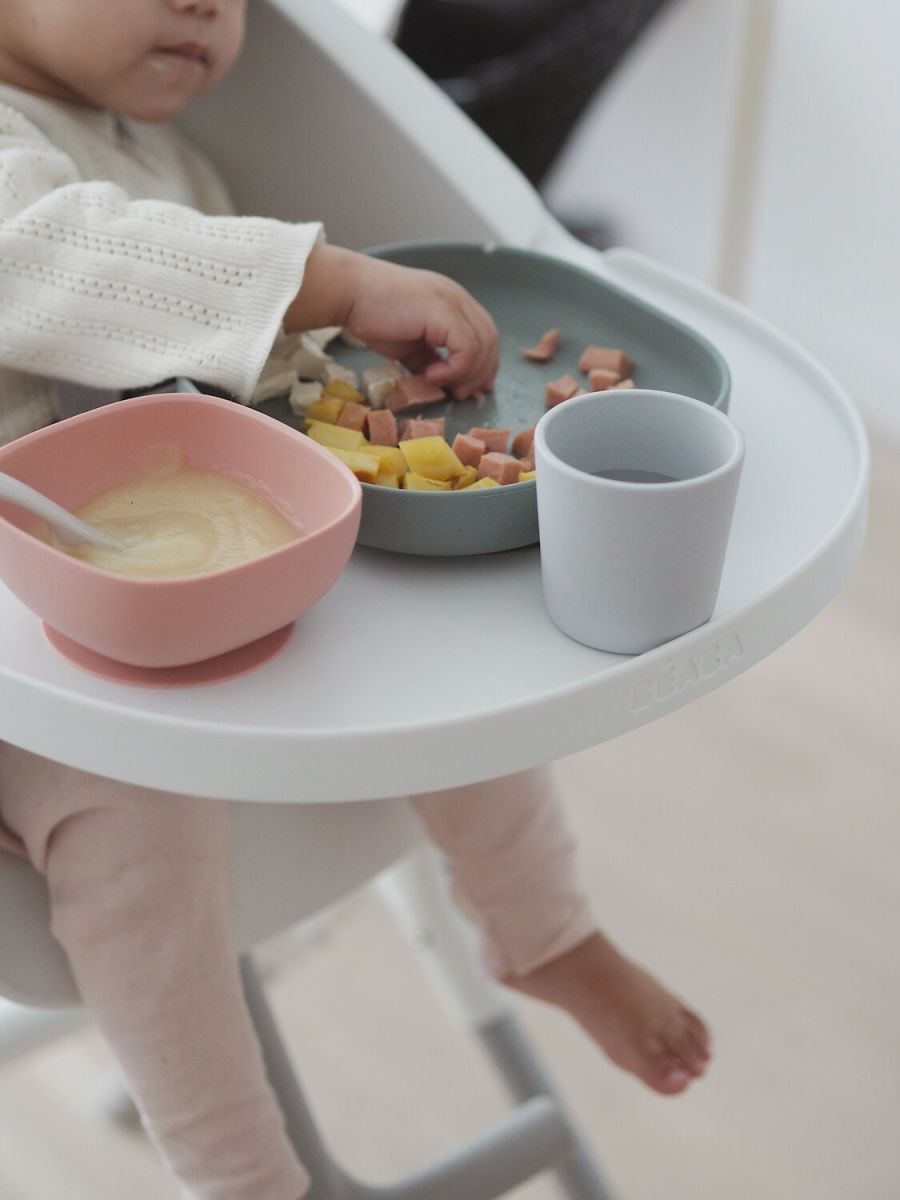
The Texture Progression: Step by Step
1. From Smooth to Thick Purées
Start by thickening familiar purées. Less liquid, more body. This teaches your baby to move food around the mouth rather than simply swallowing
2. Mashed & Lumpy Textures
Introduce soft, mashed foods with small lumps - think mashed avocado, banana, or well-cooked vegetables. Lumps are normal and necessary
3. Soft Pieces & Finger Foods
As chewing skills improve, offer soft, graspable pieces like steamed vegetable sticks or flaky fish. These encourage self-feeding and coordination
4. Mixed Textures
Foods with combined textures (like soft grains with vegetables) prepare babies for real-world meals and family foods
Safety First: What Parents Should Know
Gagging is not choking and it’s a normal part of learning. To keep mealtimes safe:
-
Always supervise meals
-
Ensure foods are soft and appropriately sized
-
Avoid hard, round, or sticky foods
-
Sit baby upright and eat together when possible
Using thoughtfully designed feeding tools - like ergonomic spoons, non-slip bowls, and high-quality steam and blend appliances can make the transition smoother and safer.
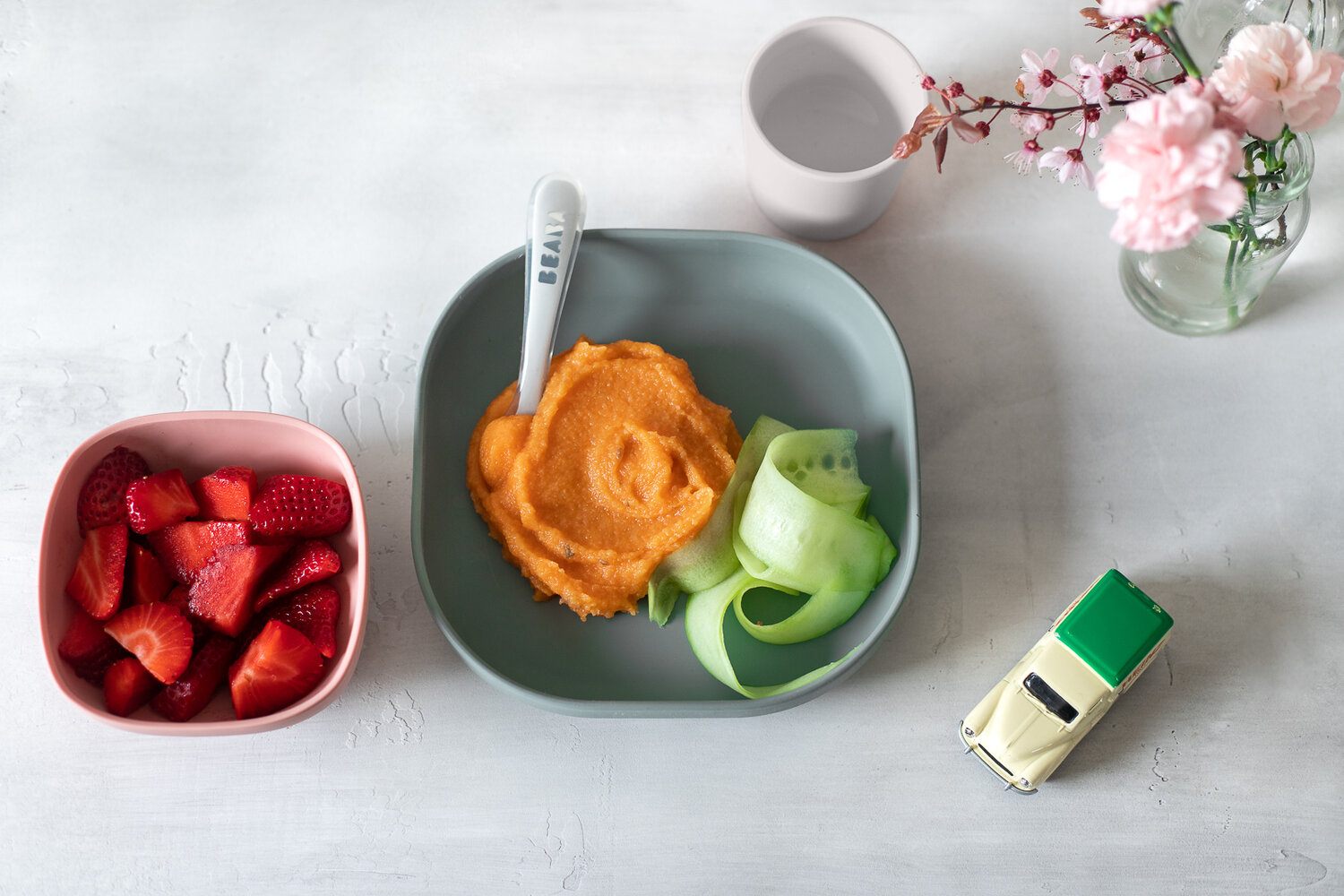
Making Texture a Positive Experience
In 2026, feeding is about more than nutrition - it’s about confidence and connection.
-
Let your baby explore food with their hands
-
Expect mess (it’s part of learning!)
-
Follow your baby’s cues - pressure isn’t necessary
-
Reintroduce foods multiple times; acceptance takes time
Growing With Your Baby
Moving beyond purées is a milestone worth celebrating. With patience, the right textures, and trusted tools, you’re helping your baby build skills that last a lifetime.
At Beaba, we believe every stage of feeding should feel intuitive, safe, and joyful supporting families as little eaters grow into confident ones.


